 Tallmont
 Financial Dashboards & Management Reporting
For: Leadership teams tired of asking for numbers and waiting a week.
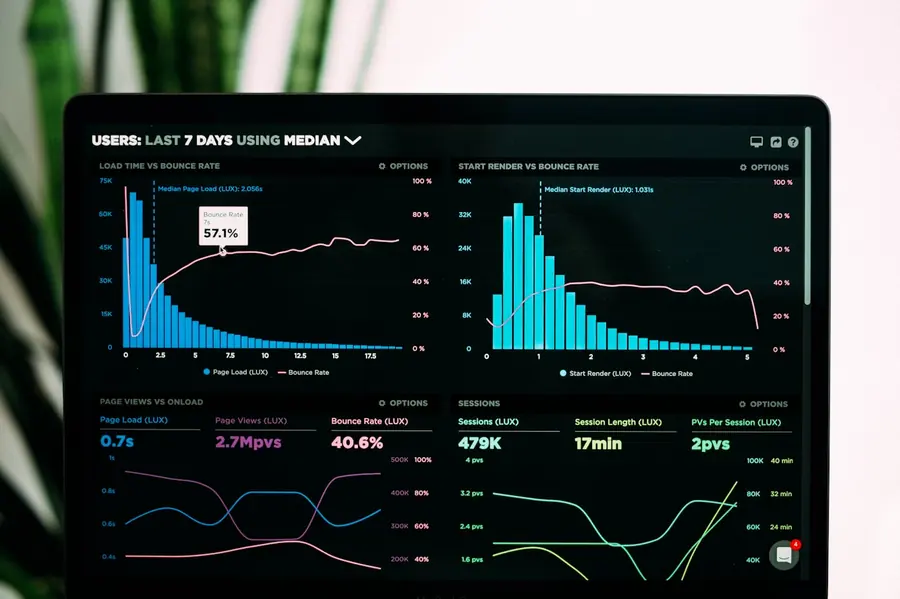
If it takes a meeting to know the numbers, the numbers are too slow
In most companies, financial visibility works like an archaeology dig: someone asks a question, someone exports a report, someone reconciles it against a different report, and a week later there’s an answer — to last month’s question.
Leadership shouldn’t have to request the numbers. The numbers should be standing there when you look up.
What we do
Decision-first design. We start from the decisions you make weekly — hiring, spending, pricing, project go/no-go — and design the dashboard backward from them.
Role-based views. Owners see cash, runway, and profit; project managers see their budgets and burn; accountants see close status and exceptions. Everyone looks at the same underlying truth.
Built on a real close cadence. A dashboard is only as honest as the books beneath it. Ours sit on top of a disciplined monthly close — so “live” also means “reconciled.”
In your stack. NetSuite dashboards and saved searches, QuickBooks reporting layers, executive spreadsheet packs, or BI tools — chosen by fit, not fashion.
What you get
One login where the business is visible: performance against plan, cash against runway, projects against budgets. Decisions stop waiting on reports.
Frequently asked questions
What goes on a leadership dashboard?
The handful of numbers you steer by: cash and runway, revenue vs plan, gross margin, AR aging, project or channel profitability, and budget-vs-actual. We design it around your actual decisions — not around what's easy to chart.
What tools do you use?
Whatever fits your stack: NetSuite saved searches and dashboards, QuickBooks reporting layers, spreadsheet-based executive packs, or BI tools when volume justifies them. The tool is secondary; the data discipline underneath is the product.
How current are the numbers?
As current as the books — which is why dashboards work best on top of our monthly (or weekly) close cadence. Real-time garbage is still garbage; we build the pipeline that makes 'live' also mean 'true.'
Is this only for big companies?
No. A five-person agency steering by cash and utilization benefits as much as a fifty-person group — the dashboard is just smaller.
Book your free books review
Thirty minutes, your current setup, and a candid read on what it would take.